
Riding smoothly through a bend can feel surprisingly difficult, even when your fitness is improving. One rider rolls around a corner calmly; another brakes halfway through, stiffens their arms and loses momentum. The difference is usually technique, not courage. Good road cycling cornering technique gives you a repeatable sequence: read the bend, choose a safe … Read more

Cycling Cadence Explained: How to Find Your Best Pedalling Rhythm
DerrickCalvert
Watch cyclists approach a hill and you will see different pedalling rhythms. One spins quickly in an easy gear; another turns a harder gear slowly. Neither approach is automatically wrong. Cadence shapes how effort is shared between your muscles and cardiovascular system, and adjusting it can make climbing, cruising and long-distance pacing feel more controlled. … Read more

Taekwondo Sparring Rules: Scoring, Penalties and Wins
DerrickCalvert
A taekwondo match can turn on a single kick—or on a penalty that looks minor from the stands. Understanding taekwondo sparring rules makes the action easier to follow: athletes must strike approved targets with permitted techniques, earn points through a scoring system, and avoid actions that hand points to their opponent. This guide focuses on … Read more
No-Ball Rules in Cricket: Calls, Penalties and Free Hits
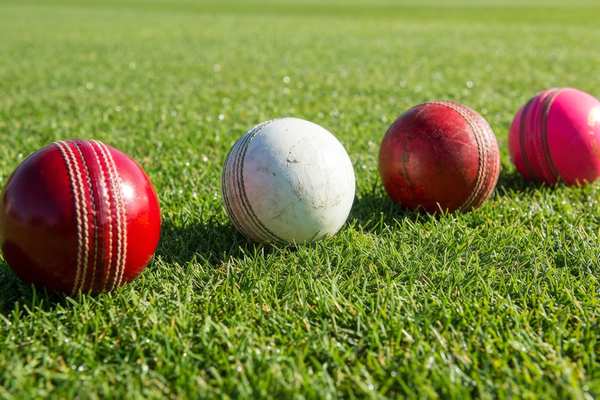
One overstep can turn a routine delivery into five runs and a free hit. That is why no ball rules in cricket matter far beyond the bowler’s crease. A no-ball affects scoring, which dismissals are possible and how many legal deliveries remain in the over. Although a front-foot fault is the best-known example, a no … Read more
Cricket Batting Order: Roles From Opener to Tailender
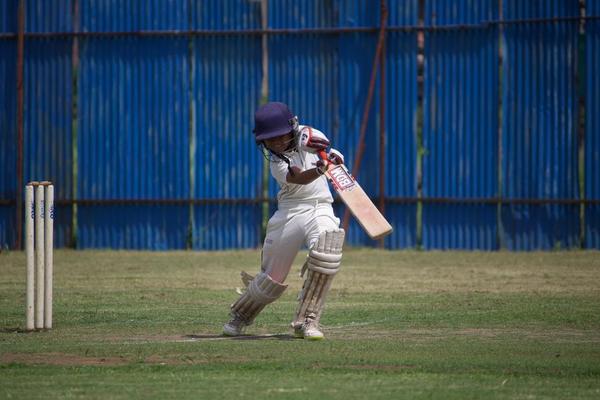
The cricket batting order is more than a list of names on a scorecard. It is a plan for dealing with a changing ball, different bowlers, falling wickets and the pressure of the match. An opener may need to survive movement off the pitch, while a batter arriving much later might be asked to hit … Read more
Cricket Scoring System: Runs, Wickets, Overs and Extras
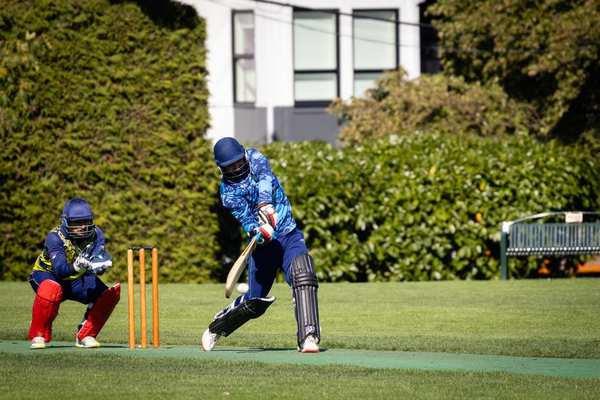
A cricket score such as 146/4 after 18.3 overs might look confusing at first. It simply means the batting team has scored 146 runs, lost four wickets and faced 18 complete overs plus three valid deliveries. Those figures are the foundation of the cricket scoring system. How to Read a Cricket Score In the usual … Read more